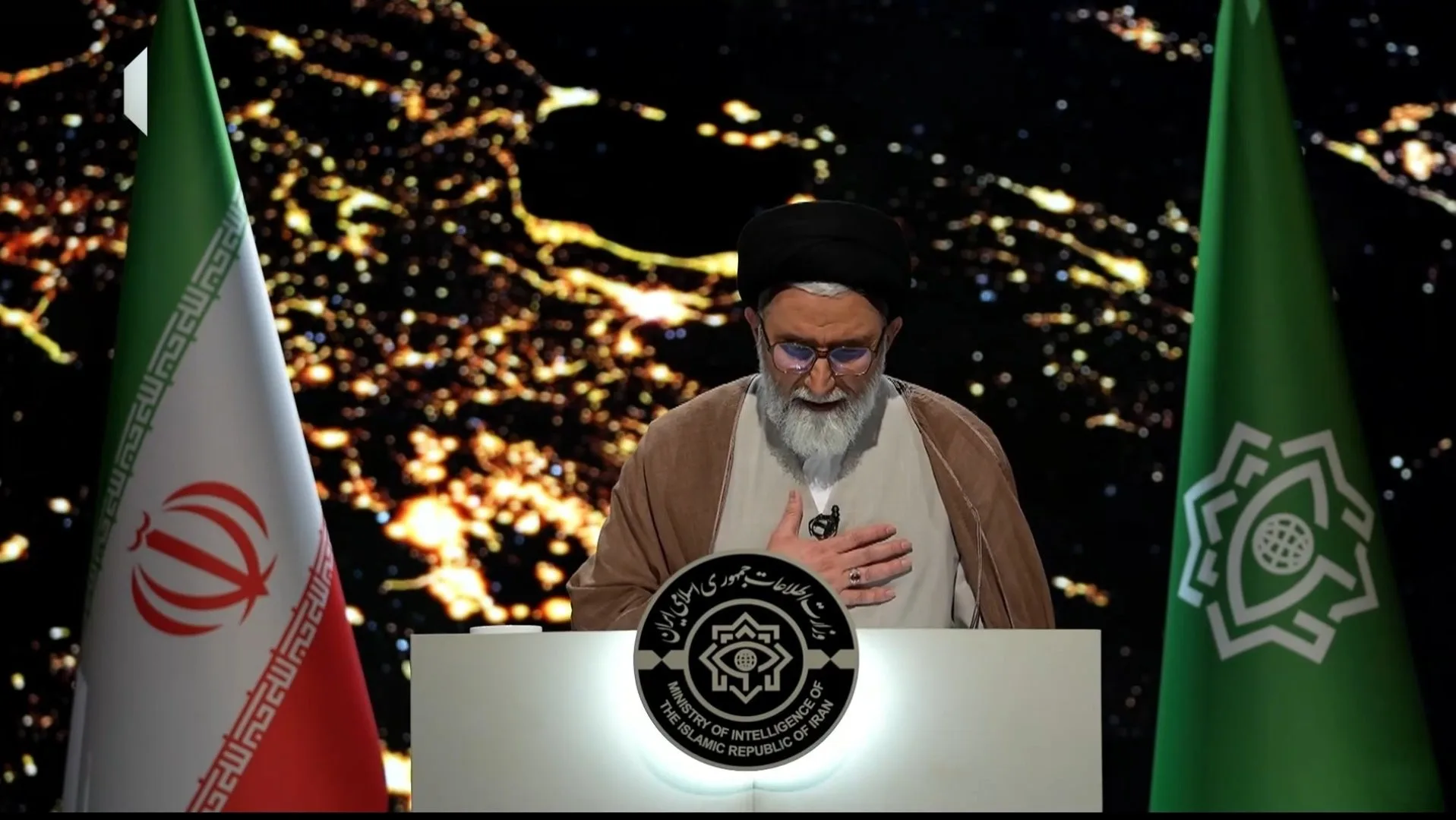
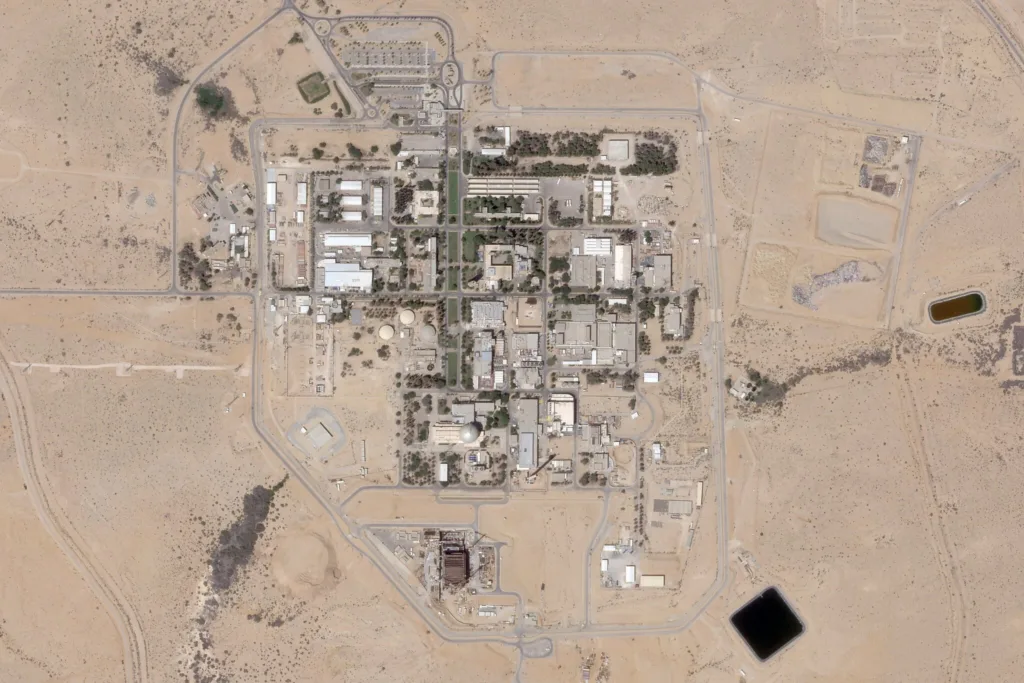
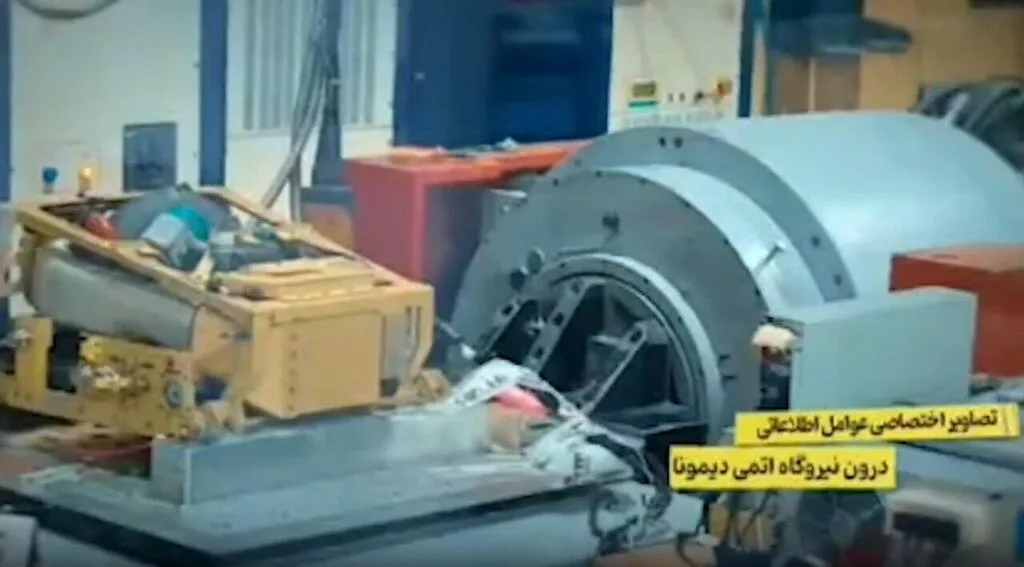
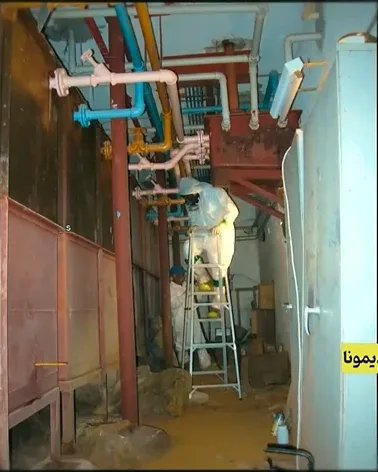
Iran’s intelligence ministry has released a trove of documents and footage that it alleges contains classified information about Israel’s nuclear program. The materials, which were broadcast on Iranian state television, purport to reveal sensitive details about nuclear facilities, including the Dimona reactor, and contain personal information of 189 Israeli nuclear and military experts.
According to Iranian Intelligence Minister Esmail Khatib, the documents were leaked by Israelis who were either paid for the information or acted out of political dissent. The release is being framed by Tehran as a significant intelligence victory, demonstrating what it describes as “deep penetration” into Israel’s security apparatus. The Iranian government claims this leak effectively ends Israel’s long-standing policy of nuclear ambiguity.
The published materials also reportedly include personal photographs of Rafael Grossi, the Director General of the International Atomic Energy Agency (IAEA), which Iran alleges were obtained by Israeli intelligence. This move appears to be a calculated attempt by Tehran to accuse Israel of spying on the UN’s nuclear watchdog. These claims come at a time of heightened tensions, as world leaders gather for the UN General Assembly in New York.
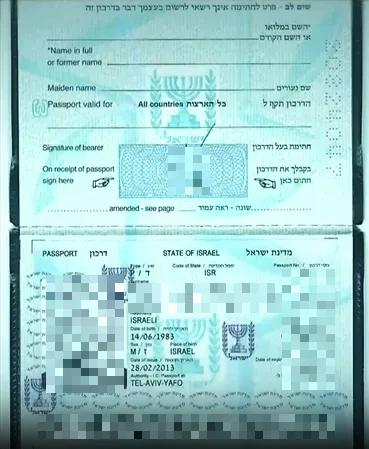
Despite the dramatic presentation, the information released by Iran has not been independently verified, and Israeli officials have yet to issue a public comment on the matter. International security analysts remain deeply skeptical, suggesting the release is likely a sophisticated propaganda and psychological warfare campaign designed to pressure Israel, rather than a genuine intelligence coup.
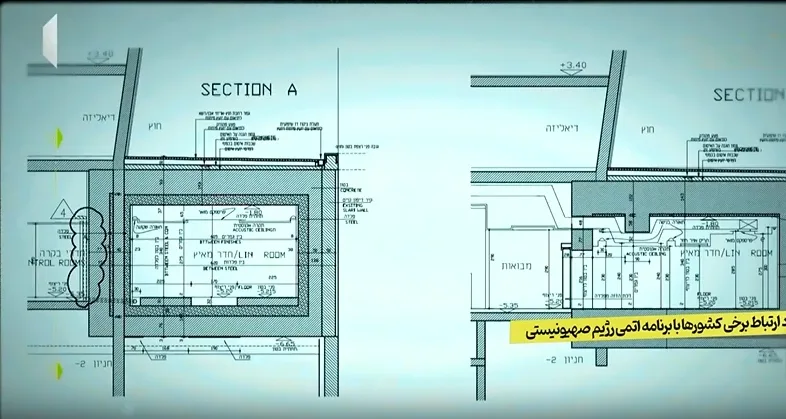
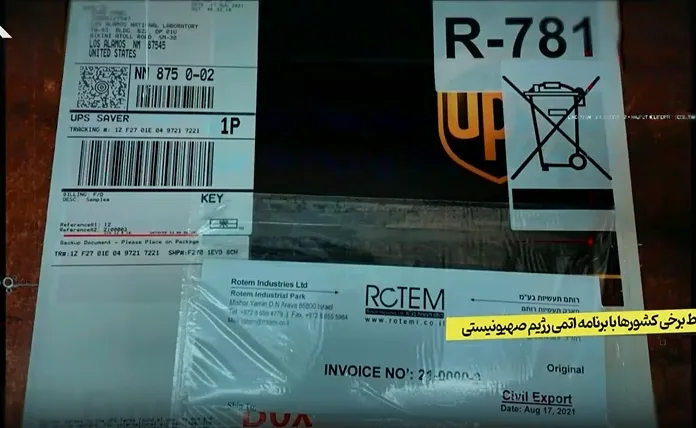
The timing is significant, as it escalates the shadow conflict between the two nations and comes as Iran faces growing diplomatic pressure over its own nuclear activities. The release of such sensitive information, whether genuine or fabricated, has the potential to further destabilize the Middle East and complicate ongoing diplomatic efforts. The full impact of these allegations will likely unfold in the coming days as more details emerge and international bodies react.
The allegedly compromised data, as presented by Iranian state media, includes:
- Detailed structural plans and imagery from Israeli nuclear installations, including the Dimona reactor.
- Personally identifying information for 189 Israeli nuclear and military experts.
- Copies of passports and government ID cards belonging to the alleged scientists.
- Personal photographs of the International Atomic Energy Agency (IAEA) Director General, Rafael Grossi, which Tehran claims Israel was using for espionage.